A Website for Your Handyman Business That Makes the Scope Clear

A homeowner is standing in her hallway with a sticking door, a running toilet and a ceiling fan still in the box, with no idea whether any of it is worth a call.

  • Built for you from one phone call — no editor, no templates, no dragging boxes
  • Domain, hosting and support included for $25 a month
  • Your real job list, your minimum and your radius, written out plainly
Build Your Handyman Website

We build awesome
Handyman websites.

Fill out your information and in 3 simple steps your preview will be built, no coding necessary.

Pick a Domain

The beginning of your home on the web starts with a name.

Describe Your Business

Tell us a bit about your business; the services you offer, and your history.

Tell Us About You

Let us know how customers can best contact or reach you.

Unlimited Possibilities.
3 simple steps.

Watch this short video for a quick walk through on how simple it is to get your website online.

Get Your Business Online Within in Minutes

Website Design made easy. Just one click away.

Get Started

Why Handyman businesses choose BuilderNow

Fast, Friendly, Secure, Quality

Fully Secured

All of our websites are fully secured with SSL encryption as well as top of the line servers.

Best Performance

Our web hosting servers have an uptime of 99.99%. Host with us hassle free with an online gurantee.

What a weak website costs a Handyman business

She has a list and nobody obvious to call

A door that sticks in summer. A toilet that runs all night. A towel bar pulled out of the drywall. A ceiling fan still in the box from Christmas. None of that is a plumber's job or a carpenter's job, and she knows it. So the list sits on the counter another six months, because no website told her those four things are one visit from one person.

Your service list is so broad it says nothing

"No job too small" and "general home repairs" give a homeowner nothing to act on. They cannot tell whether you mount TVs, whether you will come out for one grab bar, or whether you work in second-floor condos. A short specific list beats a long vague one, because people will not risk a phone call to find out what you do.

The forty-dollar task eats the day

One running toilet thirty-five minutes out is a loss once you count the drive, the hardware store stop and the time you did not bill. If your site never mentions a half-day minimum or a trip charge, you learn about it on the phone, after you have already been polite for ten minutes. Published terms turn those calls away before they ever reach you.

Property managers cannot check you out at 7am

A turnover has a hard move-in date and twenty small items on the punch list — blinds, a closet door off track, three patches, a kitchen faucet, caulk in both tubs. The manager is lining up other names before the office opens. With nothing online showing you handle turnovers, carry insurance and bill by the half day, you are not on that list.

How customers choose a Handyman company

It starts with a list, not an emergency. Something has been annoying someone for weeks — the storm door that will not latch, the closet shelf that let go, the disposal that hums — and one Saturday they decide to deal with all of it at once. They search the task itself, "fix sticking door" or "someone to hang a TV," open three or four results on a phone, and scan for their own problem written down on the page. Not a category. The actual sentence. If they see the door and the shelf and the TV listed, they stop scrolling.

Two kinds of customers make up most handyman work, and they decide very differently. Seniors and their adult children are usually arranging safety work — grab bars in the shower, a handheld sprayer, a raised toilet seat, lever door handles, a railing on the back steps — and the decision is about who is coming into the house, how long they will be there and what it costs before anyone picks up the phone. Busy professionals want the whole honey-do list gone in a single visit and will happily pay for that, but they read pricing first and close the tab on anything that only says "call for a quote."

Almost everyone looks for a number before they dial. Not a bid, just a shape of the thing: an hourly rate, a half-day rate, a minimum, a trip charge if you have one. They also look for the one item you might not touch, because nobody wants to book a visit and then be told the panel work needs a licensed electrician. Most homeowners call two or three names. The one whose site shows a clear job list, a clear minimum and an honest line about what gets referred out gets called first, and usually gets the whole list instead of one item.
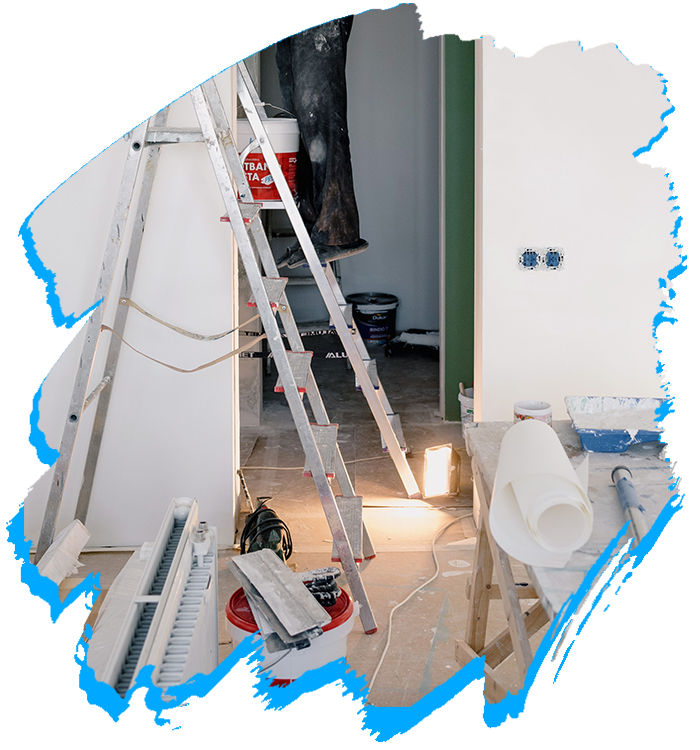
What a Handyman website needs

The real job list, written as tasks

Not "carpentry" and "repairs." Sticking doors, running toilets, ceiling fan swaps, drywall patches, TV mounting, shelving, caulking a tub, storm doors, furniture assembly. People search the task and hire whoever names it.

Your minimum, in writing

A half-day minimum, an hourly rate after that, a trip charge outside your radius — whatever your terms are, stated where people see them before they call. It ends the one-small-thing calls and the people who do call are ready to book.

An honest "what I refer out" section

Panel work, a water heater, a furnace, anything over your state's per-job dollar threshold. Saying plainly that you hand those to a licensed trade, and can name one, reads as competence.

A list form, not a contact form

A box where somebody types all six things at once, with a photo of the damaged trim and the fan they bought. You arrive knowing what to load, and one drive covers the whole list.

An aging-in-place page

Grab bars, shower seats, railings, threshold ramps, lever handles, lighting on stairs. Adult children three states away are the ones searching for this, and they have to understand the work before they can arrange it by phone.

A rentals and property manager page

Turnover punch lists, make-ready work, between-tenant repairs, how fast you can be on site and how you bill. Managers are repeat work, and they hire whoever looks set up for a twenty-item list.

Tap-to-call and a stated service radius

Most of these people are standing in the room with the problem, phone in hand. One tap to call, the towns you cover named out loud, and your hours where nobody has to hunt.

Insured, bonded and alone in the house

You work inside occupied homes with nobody else on the crew, often with a senior or a family at the kitchen table. Saying you are insured and bonded, and that it is you who shows up, settles the question people are too polite to ask.

Handyman services your site should cover

Doors that stick, drag or will not latch

Planing and rehanging interior doors, resetting hinges, adjusting strike plates and fixing latches that stopped lining up when the house settled. Usually an hour a door.

Running toilets and dripping faucets

Flappers, fill valves, supply lines, wax rings, faucet cartridges and aerators. Simple swaps only — anything past that goes to a licensed plumber.

Ceiling fan and light fixture swaps

Down with the old fixture, up with the one sitting in your garage, on the existing box and wiring. New circuits, panels and rewiring are a licensed electrician's work.

TV mounting

Studs found, bracket set level at the height you actually watch from, cords hidden in a raceway or behind the wall. Over a fireplace or on brick, say so when you call.

Drywall patching and texture

Nail pops, doorknob holes, water-stained ceilings, the hole where a towel bar came out. Taped, floated, textured to match and primed.

Grab bars and bathroom safety

Grab bars anchored into blocking or studs, not drywall alone, plus shower seats, handheld sprayers, raised seats and non-slip treads. Set at the height the person using them needs.

Shelving, closets and storage

Closet rods and wire shelving, floating shelves, garage racks, and the bookcase that needs anchoring to the wall. Level, and into real framing.

Caulking tubs, showers and counters

Cracked moldy caulk cut out, the joint cleaned properly, a new bead laid at tubs, showers, backsplashes and sinks. Cheap work that prevents expensive water damage.

Storm doors, screens and weatherstripping

Replacing a bent storm door, rescreening windows and porch panels, new sweeps and weatherstripping. Noticeable the first cold week of the year.

Furniture and equipment assembly

Flat-pack dressers, desks, bed frames, basketball hoops, treadmills and playsets — squared up, anchored if it needs it, cardboard hauled off.

Rental turnover punch lists

Make-ready work between tenants: blinds, closet doors, patches, towel bars, outlet covers, faucets and caulk. One visit, one invoice, in time for move-in.

Small exterior odds and ends

Mailbox posts, house numbers, loose fence pickets, a soft deck board, a sagging gate, hose bibb washers. The list you meant to get to in spring.

BuilderNow compared with doing it yourself

BuilderNow DIY website builders
Who builds it We build the whole site. You talk through your job list once and the rest is our problem. You build it in an editor, nights and weekends, after a day on a ladder.
What it costs $25 a month or $250 a year, with the domain name, hosting and support all in that price. A plan fee, then the domain once the free year ends, then add-ons, then your hours.
Your job list and minimum We write out the tasks you take, your minimum and your radius, laid out so people read them. Blank text boxes. Every task, term and bit of formatting is yours to type and style.
Changes later Send a message when you add a service, change your minimum or drop a town. Support is included. You log back into the editor months later and relearn it.
Phone reading Built to be read one-handed in somebody's hallway, tap-to-call where a thumb lands. Depends on the template you picked and how carefully you checked the mobile view.
What is not included Simple business websites only. Online stores, booking systems and custom features are quoted separately. Paid add-ons you set up, connect and troubleshoot yourself.

Why this matters for Handyman businesses

69% of homeowners search for pricing online before contacting a contractor.

Mantel, 2025

62.1% of Millennial homeowners start on Google, against 23.7% of Baby Boomers and older.

Mantel, 2025

39.3% of homeowners start their search for a home services contractor on Google Search or Google Maps.

Mantel, 2025

46% of phone leads convert during the call in home services, the highest of nine industries measured.

Invoca, 2025

Handyman website questions

Yes, and it will save you hours. A half-day minimum stated on the page stops the calls about one loose hinge and sets expectations for everybody else. People are not offended by a minimum; they are offended by finding out about it after they have described the whole job. Say the number, say what a half day usually covers, and let the page do the screening.

Most handymen do best with both. Put the hourly rate and the half-day rate on the page so people can do the math, then flat-price the handful of jobs you do constantly — a ceiling fan swap, a TV mount, a toilet rebuild. Flat prices sell the small stuff, the hourly rate protects you on the strange stuff nobody can quote sight unseen.

Usually not, and the site should say so kindly. Thirty minutes each way, a hardware store stop and a forty-dollar task is a losing afternoon. Two fixes are worth it. Six are worth more. Ask people on the page to write down everything on the list, and explain that batching it into one visit is what keeps the rate reasonable for both of you.

A flat trip charge beyond a set mileage, listed with the towns you cover, works better than quietly padding the bill. Name the radius that carries no trip charge, name the fee outside it, and give a hard outer limit. People in the far town either accept it or call someone closer, and either answer is better than driving an hour to argue about it.

In most states a handyman can take work up to a dollar threshold per job and cannot perform licensed electrical, plumbing or HVAC beyond simple fixture and device swaps. Replacing a ceiling fan on existing wiring is fine; a new circuit is not. A fill valve is fine; repiping is not. Knowing where that line sits, and having a licensed name to hand over, is part of the service.

It costs you the wrong calls. A page that names the limits — no roofs, no panels, no gas lines, nothing above the state threshold — reads as somebody who knows the trade. It also stops the appointment that ends with you apologizing on a customer's porch. Pair every limit with what you do instead, and add that you can point them to the right licensed trade.

Give turnover work its own page and write it in their language: make-ready punch lists, between-tenant repairs, blinds and patches and faucets in one visit, how you invoice, how much notice you need. Managers are hiring for speed and for one person who can close out twenty small items. That is a different pitch than the one you make to a homeowner, and it deserves its own page.

The domain name, the hosting and support, plus the site itself built for you rather than handed to you as an empty template. It is $25 monthly or $250 for the year. Simple business websites are what the price covers — online stores, booking systems and custom features get quoted separately, so nothing gets bolted on without you agreeing to it first.

That is what the 30-day free trial is for. Your site goes up on a yoursite.buildernow.net address so you can read it on your phone in the truck, show it to a repeat customer and tell us what to fix about the job list or the minimum. When you move to the paid plan, the custom domain comes with it.

Get your Handyman website online

The honey-do lists are already out there. Somebody three streets over has a door that sticks, a fan in a box and a tub that needs recaulking, and nothing tells her you take all three in one visit.

Start the 30-day free trial and see your own job list, your minimum and your radius written out on a real page. No editor to learn. If it does not read right, you have thirty days to say so and nothing to cancel.

Start your 30-day free trial