A Website for Fence Companies, Built Around the Questions Homeowners Ask First

With 39.3% of homeowners starting their search for a contractor on Google Search or Google Maps (Mantel, 2025), your materials, heights and gate options should already be on a page instead of being explained on the phone for the fifth time today.

  • $25/month or $250/year, domain name, hosting and support included
  • We build it for you. You never drag a box around a screen.
  • Free 30-day trial on a yoursite.buildernow.net address
Build Your Fencing Website

We build awesome
Fencing websites.

Fill out your information and in 3 simple steps your preview will be built, no coding necessary.

Pick a Domain

The beginning of your home on the web starts with a name.

Describe Your Business

Tell us a bit about your business; the services you offer, and your history.

Tell Us About You

Let us know how customers can best contact or reach you.

Unlimited Possibilities.
3 simple steps.

Watch this short video for a quick walk through on how simple it is to get your website online.

Get Your Business Online Within in Minutes

Website Design made easy. Just one click away.

Get Started

Why Fencing businesses choose BuilderNow

Fast, Friendly, Secure, Quality

Fully Secured

All of our websites are fully secured with SSL encryption as well as top of the line servers.

Best Performance

Our web hosting servers have an uptime of 99.99%. Host with us hassle free with an online gurantee.

What a weak website costs a Fencing business

The price question gets asked before you do

69% of homeowners search for pricing online before contacting a contractor (Mantel, 2025). Fencing sells by the linear foot, so somebody with 180 feet of back yard wants a range before they dial. When no page explains what moves that number, height, material, gate count, slope, rock, hauling off the old chain link, they assume the worst or call whoever did publish something.

You are not one of the two

Homeowners contact an average of 2.1 contractors before hiring (Mantel, 2025), and those two are almost always the ones whose work was visible before the call. Someone shopping a fence in your town, who finds one photo from two seasons ago and nothing about heights, materials or HOA submittals, does not become your third call. They just never call.

Cedar versus vinyl, out loud, all day

Every estimate call opens with the same twenty minutes. Cedar weathers silver and wants stain every few years. Pressure-treated pine costs less and moves as it dries. Vinyl and aluminum never need refinishing and never change color either. Chain link is what holds a dog. Composite costs most up front and least after. That belongs on a page you can point at.

The dog got out this morning

A loose dog is the most common reason a homeowner finally stops putting the fence off, and that call comes from a phone, standing in the yard, within an hour. 46% of phone leads convert during the call in home services, the highest of nine industries measured (Invoca, 2025). That only helps if your number sits on a page that loads on the first tap.

How customers choose a Fencing company

Fencing starts with a map and a phone. 39.3% of homeowners start their search for a home services contractor on Google Search or Google Maps (Mantel, 2025), and 52.5% of homeowners use online reviews to judge a contractor's quality before making contact (Mantel, 2025). The reviews only get them as far as your name. What they check next is the specifics: do you install vinyl or only wood, how tall do you build, will you handle the HOA packet.

The searches are unusually literal in this trade. People type fence installers near me, cedar privacy fence cost per foot, who replaces a leaning fence, aluminum pool fence code. They are shopping a material and a height, not a company, on a phone screen the width of a 2x4. A site that names the materials you carry, shows a privacy fence next to a picket and a ranch rail, and explains why the same 100 feet costs more on a slope wins that tap.

Demand runs in a hard season. The phone wakes up the week the ground thaws, because posts have to reach below the local frost line, which in cold states means holes three to four feet deep that nobody digs in February. Spring books out fast, wind storms bring a second wave when a run of panels goes flat, and pool fences turn urgent right before swim season. HOA committees often meet monthly, so a homeowner who starts in April can still be waiting in May. Winter is when people read and plan.
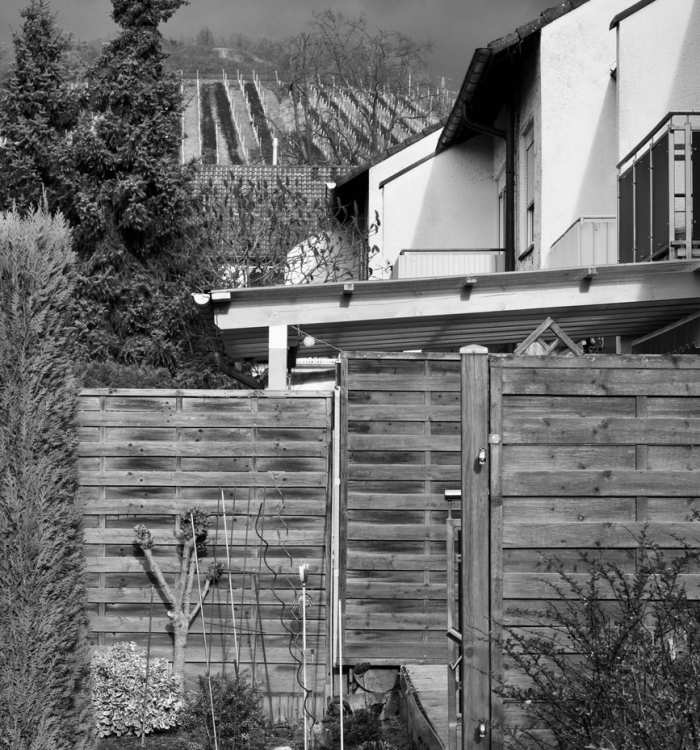
What a Fencing website needs

A materials page that ages each option honestly

Cedar, pressure-treated pine, vinyl, aluminum, chain link and composite, each with what it looks like in year one and year ten. Cedar silvers without stain, pine can twist, vinyl and aluminum stay the color they were molded, and composite is the expensive one that asks nothing later.

Styles shown as styles

Privacy, shadowbox, board-on-board, picket, ranch rail and ornamental aluminum, pictured side by side at the heights you build. Most homeowners know they want privacy or want to see through, and no further. Pictures finish that decision faster than a call.

Linear-foot pricing with the variables named

A range per foot by material and height, then the honest list of what changes it: slope that needs stepped or racked panels, rock and hardpan that slow the auger, hand-dug holes where no machine fits, gate count, and tear-out of the old fence.

A before-we-dig page

Where the property line comes from, which is a recorded plat or a survey with pins, not a tape measure off the curb. Plus 811 locates, municipal setbacks, corner-lot sight triangles, height limits and what an HOA packet needs. It prevents the worst callback in the trade.

A gate and hardware section

Gates sag, and that is the call you get a year later. Show how you brace and hang them, which hinges and latches you use, the self-closing self-latching hardware a pool gate carries, and how you span a 14-foot driveway opening.

Tap-to-call on every screen, plus a quote form that asks the right things

Approximate linear feet, height, material, gate count, whether an old fence is coming out, and photos from the yard. A form that collects that turns a callback into a number instead of a second appointment.

Galleries sorted by material and by ground

Not one long pile of photos. Cedar privacy on a slope, vinyl on flat lots, aluminum around a pool, chain link on a kennel run, ranch rail across acreage. Homeowners look for their own yard and skip the rest.

Fencing services your site should cover

Cedar privacy fence

Solid boards, usually six feet, with no gaps to see or reach through. Cedar resists rot naturally and weathers to a soft silver gray unless it is stained every few years to hold the warm tone.

Pressure-treated pine fence

The lower-cost wood fence, and still the most common one built. It needs a few months to dry before stain will take, and a board can twist, which is why fastening and post spacing matter.

Vinyl fence

No staining, no sealing, no rot, and it washes off with a hose. The color is molded in, so white stays white and tan stays tan, which also means it cannot be changed later.

Aluminum ornamental fence

The open, wrought-iron look without the rust. It keeps a view, follows grade well on a slope, and is the usual choice where code or an HOA wants a see-through barrier.

Chain link fence

Still the most affordable way to enclose a yard, a kennel or a work site. Black or green vinyl-coated mesh disappears visually far better than bare galvanized, for a little more per foot.

Composite fence

The highest price per foot and the lowest upkeep after. No staining, no splintering, and the color holds, which suits homeowners who intend to stay put a long time.

Picket fence

A low front-yard fence that marks the line without closing in the view. Cities cap front-yard height, and HOA covenants often dictate picket spacing and color, so rules shape this one more than taste.

Ranch rail and field fence

Two, three or four rail runs for acreage, pasture and long driveways, with welded wire added behind the rails when animals or dogs need to stay in. Priced by the run, not the yard.

Pool fence and code-compliant gates

A pool barrier is written into code: minimum height, limits on gaps and climbable surfaces, and gates that self-close, self-latch and swing away from the water with the latch out of a child's reach.

Driveway and automatic gates

Single swing, double drive and cantilever rolling gates sized to the opening, braced heavy enough not to drop out of square, and wired for an opener or keypad when you want to stay in the truck.

Fence repair and gate re-hang

Leaning posts, rotted bottoms at grade, panels taken out by wind, and the sagging gate dragging on the concrete. Often a few posts and a rebuilt gate frame, not a whole new fence.

Fence staining and sealing

Cedar and pine both last longer sealed, and the first coat belongs on dry wood, not green lumber. Re-coating every two to three years keeps the grain from graying and the boards from soaking up water.

BuilderNow compared with doing it yourself

BuilderNow DIY website builders
Who writes and builds it We do. Send materials, heights, gate hardware and photos, and we build the pages. You do, in an editor, after the last post hole of the day.
What the price includes Domain name, hosting and support, all inside the $25/month. Plan fee is the starting point; domain, template tier and support are often billed apart.
Price $25 per month, or $250 per year. Varies by plan and add-ons, and renewal pricing often exceeds the first term.
Changing a page mid-season Send us the change and we make it. You learn the editor, or pay someone who already knows it.
Free trial 30 days on a yoursite.buildernow.net address, with a custom domain on the paid plan. Trial lengths vary, and a custom domain normally requires a paid plan.
Stores, booking and custom features Quoted separately, so a simple fencing site stays a simple fencing site. Available as apps you install, configure and maintain.

Why this matters for Fencing businesses

39.3% of homeowners start their search for a home services contractor on Google Search or Google Maps.

Mantel, 2025

69% of homeowners search for pricing online before contacting a contractor.

Mantel, 2025

Homeowners contact an average of 2.1 contractors before hiring.

Mantel, 2025

46% of phone leads convert during the call in home services, the highest of nine industries measured.

Invoca, 2025

Fencing website questions

Not with a tape measure off the curb or the sidewalk. The real answers are a recorded plat, the mortgage survey in the closing paperwork, or a new boundary survey with pins set at the corners by a licensed surveyor. Most fence companies then set the line a few inches inside the boundary, so no post, panel or concrete footing crosses it.

In most cities, yes, at least above a set height, and the application usually wants a site plan showing the fence relative to the lot lines. Towns also enforce setbacks, cap front-yard height, and require a clear sight triangle at corner lots so drivers can see. Pool barriers fall under a separate section of code with stricter rules.

Covenants routinely dictate height, material, picket spacing, stain color and which way the finished side faces, and some subdivisions allow exactly one fence type. The architectural committee may only meet monthly, so a routine request can take several weeks. Homeowners should submit before anything gets scheduled, and a page listing the drawings and specs the packet needs saves a round of emails.

It stops being a carpentry problem and becomes a legal one. The neighbor can demand it come out, and posts set in concrete make removal expensive and ugly for both yards. That is why a plat or survey carries more weight than two homeowners agreeing about where the line has always been. Settle the boundary before the auger leaves the trailer.

Yes, and it is free. Post holes go deep enough to reach gas, electric, cable, water and irrigation lines, and a public locate is required before digging. Marks usually take a couple of business days, which is one reason a start date is rarely tomorrow. Private lines, like a sprinkler main or a feed to a detached shop, are not covered and should be flagged by the homeowner.

A pool barrier is governed by code rather than preference. Expect a minimum height, limits on gaps and on anything climbable from the outside face, and gates that are self-closing and self-latching, swing away from the water, and carry the latch high enough that a child cannot reach it. An inspector signs off, and insurers often ask about it too.

Both are used, and the depth matters more than the argument. Posts need to reach below the local frost line, which in cold states means three to four feet, or heaving will push the fence out of line over a winter. Concrete gives the most rigid set, especially for gate posts. Gravel drains around the post and makes a future replacement easier.

Because material and labor both scale with length. The per-foot figure then shifts with height, material, style and how many gates sit in the run. The ground moves it further: slope needs stepped or racked panels, rock and hardpan slow the auger, a steep bank means hand-digging, and tearing out and hauling off the old fence is its own line on the quote.

It is $25 a month or $250 a year, with the domain name, hosting and support included, and a free 30-day trial on a yoursite.buildernow.net address. Phone photos are fine. Send those plus the materials and styles you install, your heights, your gate hardware and how you quote, and we write and build the pages. You never open an editor.

Get your Fencing website online

The trial is 30 days on a yoursite.buildernow.net address and costs nothing. Send the materials you install, the heights you build, your gate hardware and whatever photos are on your phone. We write and build the pages, and you look at a finished site instead of a blank editor.

The season sets the timing more than we do. Quotes pile up the week the ground thaws, and the homeowners reading about cedar versus vinyl in January are the ones booking in March. Start the trial now, spend the 30 days getting the material, pricing and gate pages reading the way you talk, and the site is live before the first warm Saturday.

Start the free 30-day trial