A Website for Medical Practices Patients Trust Before They Call

The referral handed them your name, and what they find when they search that name decides whether your phone rings.

  • Built for you. You never open a page builder.
  • A page for every physician in the practice.
  • $25/month with domain, hosting and support included.
Build Your Medical Website

We build awesome
Medical websites.

Fill out your information and in 3 simple steps your preview will be built, no coding necessary.

Pick a Domain

The beginning of your home on the web starts with a name.

Describe Your Business

Tell us a bit about your business; the services you offer, and your history.

Tell Us About You

Let us know how customers can best contact or reach you.

Unlimited Possibilities.
3 simple steps.

Watch this short video for a quick walk through on how simple it is to get your website online.

Get Your Business Online Within in Minutes

Website Design made easy. Just one click away.

Get Started

Why Medical businesses choose BuilderNow

Fast, Friendly, Secure, Quality

Fully Secured

All of our websites are fully secured with SSL encryption as well as top of the line servers.

Best Performance

Our web hosting servers have an uptime of 99.99%. Host with us hassle free with an online gurantee.

What a weak website costs a Medical business

The Referral Still Ends in a Name Search

Another physician writes your name on a slip of paper and hands it to a patient. Before that patient calls, they type the name into their phone. If what comes back is a directory profile with hours from three years ago and no photo, the referral quietly starts over. Your name got handed off. The decision did not.

Your Credentials Live on Sites You Do Not Control

Board certification, medical school, residency, hospital affiliations, years in practice. These are the things a patient actually weighs, and for most practices they sit on third-party profiles nobody at the office wrote. Those pages list a group you left, miss a fellowship, and run ads for the practice across town underneath your name.

The Front Desk Answers the Same Six Questions All Day

Are you taking new patients. What are your hours on Friday. Where do I park. Which entrance. Do you do video visits. Does anyone there speak Spanish. Every one of those is a call your staff takes instead of a call that genuinely needed a person on the line.

Four Physicians, One Combined Paragraph

Patients do not search for the group. They search for the doctor whose name they were given. When four physicians share one paragraph and a staff photo, a patient cannot tell which one they were referred to, and your practice administrator has no way to add a page the week a new physician starts.

How customers choose a Medical company

Most patients arrive with a name already in hand, from a referring physician, a neighbor, or a plan's provider list. The first move is to search that name with the city attached. What they check next is specific, and they check it in roughly this order: board certification, where the physician went to medical school and did residency, which hospitals they are affiliated with, and how long they have been in practice. Where someone trained matters to patients in a way it does not in almost any other business.

Once the credentials hold up, the questions turn practical and impatient. Are you accepting new patients right now. Is the office on a bus line, and where do I park once I get there. Which door, which floor, which suite. Is there anyone in the office who speaks my language without an interpreter scheduled. Is a video visit an option, or is everything in person. A patient who cannot answer those from the site calls the next name on the list, because the next name is right there.

The physician's own bio page is the most visited page on almost every practice site, ahead of the home page and well ahead of the service list. Reviews get read too, but they are weighed differently here than for a restaurant. Patients read them for bedside manner, wait times, and whether the front desk returns a call, then go straight back to the credentials. Both have to be on the site, because a patient will not accept one in place of the other.
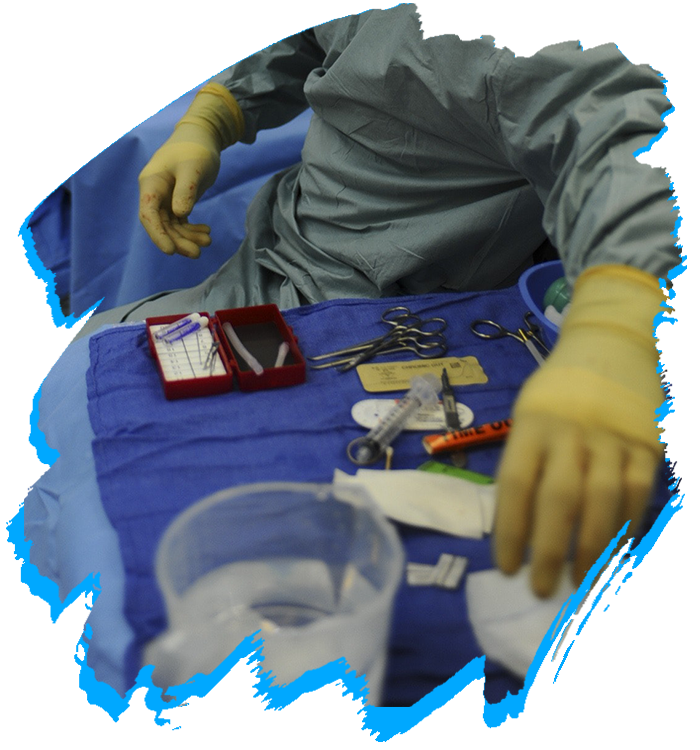

What a Medical website needs

A Page for Each Physician

Medical school, residency, fellowship, board certification, hospital affiliations and years in practice, on one page under that doctor's own name. When the referral is a name, the name needs somewhere to land.

Accepting New Patients, Said Plainly

Stated per physician, in words a patient finds in five seconds without reading a paragraph. When it changes, your administrator emails us and we change it. No login, no plugin, no developer.

Appointment Requests With a Name and a Phone Number

A short form that asks for a name, a phone number and a good time to call back. Nothing clinical, nothing about a condition. Your staff calls and takes the rest by phone.

Hours, Parking and the Right Entrance

Hours by day, the suite number, which building entrance, where to park and whether the lot is validated. The questions your front desk fields every morning before nine.

A Clear Patient Portal Button

The portal is its own system, run by your vendor, and it stays that way. The site carries a plain link to it plus one line on what the portal handles and what still needs a phone call.

Telehealth and Languages Spoken

Whether you offer video visits, which appointment types qualify, how a patient gets the link, and which languages are spoken in the office on an ordinary day.

What to Bring to a First Appointment

Photo ID, insurance card, a written list of current medications, any records or imaging sent over by a referring physician, and how early to arrive to finish paperwork.

A Front Desk Number That Taps to Call

The office number in the header of every page, tappable on a phone, with the after-hours instruction right beside it so nobody guesses at eight at night.

Medical services your site should cover

Annual Physicals and Wellness Visits

A yearly visit that covers vitals, history, current medications and anything that has changed. Patients can see how long to budget for it.

Acute and Sick Visits

Appointments for the things that come up without warning, from a fever to a cough that will not clear. The page says how to ask for one.

Chronic Condition Management

Ongoing visits for diabetes, high blood pressure, thyroid conditions and cholesterol, with the follow-up interval and lab schedule explained in plain words.

Preventive Screenings

The screenings that belong to a patient's age and history, listed so they know what to expect at the visit rather than hearing it for the first time in the room.

Immunizations and Travel Vaccines

Which vaccines the office keeps on hand, which need ordering ahead, and how much notice a patient should give before a trip.

In-Office Lab Draws and Testing

Blood draws, urinalysis, strep and flu testing done in the building instead of sending a patient to a second address on the same morning.

Minor In-Office Procedures

Skin lesion removals, joint injections, ear lavage, suture removal and similar work, with what the appointment involves and how long it takes.

Well-Child and Pediatric Visits

Growth checks, developmental milestones and the immunization schedule, with the visit intervals parents are trying to keep straight.

Women's Health Visits

Routine exams, contraception counseling and menopause care, described clearly enough that a patient knows which visit to request.

Sports, School, DOT and Employment Physicals

The forms-based physicals people need by a deadline, with the paperwork to bring and whether the form has to come from the school or employer.

Telehealth Visits

Which complaints suit a video visit and which need the office, plus what the patient needs on their end for the call to work.

Specialist Referrals and Records Coordination

Sending a patient on to cardiology, orthopedics or imaging, and getting the report back into their chart without them chasing a fax.

BuilderNow compared with doing it yourself

BuilderNow DIY website builders
Who builds the site We build it from your credentials, hours and service list You build it, or you pay somebody to
Physician bio pages One page per doctor, written and laid out for you You write and format each one yourself
Changing hours or new-patient status Email the change and we make it Somebody at the office logs in and edits it
Domain, hosting and support All included in the price Billed separately, usually per year
Cost $25 a month, or $250 a year Platform fee, plus the domain, plus paid add-ons
Portals, scheduling and custom features Quoted separately, so the number is known up front Hunt for a plugin and pay whatever it charges

Why this matters for Medical businesses

58% of consumers often or always check a business website to confirm information they saw elsewhere.

DreamHost, 2026

73% of consumers used a mobile phone for their most recent local business search.

BrightLocal, 2026

97% of consumers read online reviews for local businesses.

BrightLocal, 2026

70% of consumers say they are more likely to do business with a company that has a website.

DreamHost, 2026

Medical website questions

No. A standard website contact form is not a secure channel for protected health information, and a practice should not invite patients to send any through one. BuilderNow builds simple business websites. It is not a HIPAA-compliant platform and we do not offer a business associate agreement. An appointment request should collect a name and a phone number and nothing clinical. Your staff calls back and takes the details on the phone or through your portal.

Four things: name, phone number, whether they are a new or existing patient, and which physician or what days work. That is enough for the front desk to call and schedule. Leave out the reason for the visit, current medications, insurance ID numbers and anything about a condition. If a patient types clinical detail into a free-text box anyway, the smarter design is not to give them that box in the first place.

No, and it should not try to. The portal is a separate system run by your vendor, with its own login and its own rules about what can move through it. The website's job is to point at it clearly: a visible button, the vendor's name so patients recognize the screen they land on, and one line explaining what the portal handles versus what still needs a phone call to the office.

More than most practices publish. Medical school, residency, any fellowship, board certification and the certifying board, hospital affiliations, years in practice, languages spoken and professional memberships. Patients genuinely read this, and where a physician trained carries weight here that it carries almost nowhere else. Add a current photo taken at the office rather than a headshot from a decade ago, and keep the tone plain rather than promotional.

Yes. Referrals and word of mouth travel as a name, not as a practice. When a patient searches the doctor they were told to see and lands on a shared paragraph with a group photo, they cannot tell who they came for. A page per physician under that physician's name also means your administrator can add one when somebody joins and retire one when somebody leaves.

State it per physician, near the top of each bio page, in words a patient reads in a glance. Avoid vague wording like currently reviewing availability, which reads as no. If one doctor is closed to new patients and two are open, say exactly that, because otherwise the whole practice looks closed. Email us when it changes and we update it, so the answer on the page matches what the front desk says.

The logistics that decide whether they show up on time. Hours by day of the week, the suite number and which building entrance, where to park and whether the lot is validated, how early to arrive, and what to bring: photo ID, insurance card, a written list of current medications, and any records or imaging a referring physician sent over. Most practices bury all of it or leave it out.

Both, because both change whether a patient calls. Say whether you offer video visits, which appointment types suit them, and how the patient receives the link, noting that scheduling still goes through the front desk. For languages, list what is spoken in the office on an ordinary day without an interpreter booked ahead. A patient looking for a Spanish-speaking office searches for exactly that.

Online scheduling and portal integrations are custom work and get quoted separately, not folded into the $25 a month. The included site handles everything around them: bio pages, hours, directions, a simple appointment request, and a clear link out to whatever portal you already use. Many practices find that is enough, because the bottleneck was never scheduling software. It was patients not finding the practice at all.

Get your Medical website online

Take the 30-day free trial. We build the practice site on a yoursite.buildernow.net address, with a page for each physician, your hours, your parking and entrance, and an appointment request that asks for a name and a phone number. You look at it, your administrator looks at it, and you tell us what to fix.

If it is not right for the practice, walk away at the end of the 30 days and nothing is owed. If it is, the custom domain, the hosting and the support come with the paid plan at $25 a month, or $250 for the year. The next patient who searches your name is going to find something either way. The only question is whether you wrote it.

Start the 30-Day Free Trial