Fuel looks like a pure commodity until you watch why customers actually leave, which is almost never three cents a gallon and almost always a missed delivery, a dry tank or a billing mess.
Fill out your information and in 3 simple steps your preview will be built, no coding necessary.
The beginning of your home on the web starts with a name.
Tell us a bit about your business; the services you offer, and your history.
Let us know how customers can best contact or reach you.
Watch this short video for a quick walk through on how simple it is to get your website online.
Website Design made easy. Just one click away.
Get StartedFast, Friendly, Secure, Quality
All of our websites are fully secured with SSL encryption as well as top of the line servers.
Our web hosting servers have an uptime of 99.99%. Host with us hassle free with an online gurantee.
Plenty of dealers believe the whole decision is price per gallon, so the site is one page with a number on it. Then look at why accounts actually move. A tank that ran dry in a cold snap. A delivery promised Tuesday that came Friday. An invoice nobody could explain. Price gets people to call. Service record is what makes them stay or go, and a one-number page says nothing about either.
Automatic delivery with degree-day monitoring and will-call are two completely different relationships, and most dealer websites never say which one a new customer gets. So the will-call customer assumes you are watching their tank, forgets to call, runs out on the coldest weekend of the year, and pays for a prime-and-restart plus a leak test. That is now your fault in their telling, and in their review.
Tank ownership is the most contentious thing in this business. A leased company tank means a customer cannot simply take a cheaper quote next summer, and when they find that out from a competitor instead of from you, you have lost them twice. Say it plainly on the site: who owns the tank, what a tank set costs, what buying it out looks like. Honest beats discovered.
Your most loyal customer came from a referral in 1986 and has never looked you up. Their son or daughter is managing the house now, or the parents moved and the account is being re-decided. They do not call for a referral. They search, read reviews from last winter, open two dealer websites, and keep the one that looks like it still runs a real company.
There are two very different buyers and one website has to serve both. The residential heating customer is usually shopping in one of three moments: late summer when they are pricing next season, the week a bill lands higher than expected, or in the middle of a cold snap when their current dealer is not answering. In that last case nothing you write about price matters. They are looking for signs of capacity, which means route days, delivery options, how to become a customer and whether a human answers.
The commercial buyer behaves nothing like that. A farm running off-road dyed diesel, a site contractor with a bulk tank, a fleet manager comparing cardlock access, a generator account that needs a scheduled top-off. These people check whether you handle their fuel type and their volume before they ever ask a price, and they want it in writing on a page they can forward to their boss. Dyed fuel is a tax question as much as a fuel question, and the penalties for running it on the road are the reason they want a dealer who clearly knows the difference.
Both of them read reviews, and in this trade reviews are seasonal. A review written in February about a dealer who kept up during a stretch of single-digit nights is worth more to a reader than twenty written in July. The same goes against you: one bad cold-snap week outranks a decade of fine deliveries unless your website gives a reader something else to weigh, like your service contracts, tank work, route coverage and how long you have been running trucks in their towns.
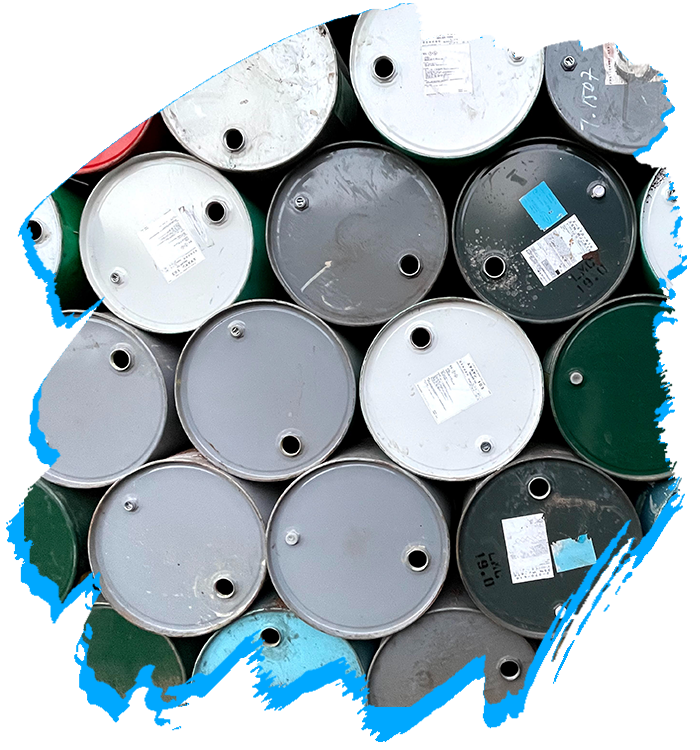
Automatic delivery on degree-day monitoring, will-call, and the rules for each. What triggers a fill, how much notice will-call needs, and what happens if a tank goes dry. This one page prevents more arguments than anything else on the site.
Budget plans that spread winter cost across twelve months, pre-buy, and price cap contracts, each with what it does and what the tradeoff is. A customer who signs a cap understanding the ceiling and the floor does not come back angry in a soft market.
Leased company tank versus customer-owned, tank set and regulator work, line pressure testing, and the 80% fill rule so nobody thinks a short fill was a short delivery. Dealers who duck this lose the account later anyway.
Heating oil tank inspection and replacement, including the 275-gallon basement tank that most of your customers have and few of them understand. Oil furnace and boiler service contracts and annual tune-ups belong here too, because that is margin work and it is the reason a fuel customer stays a whole customer.
On-road taxed fuel, off-road dyed diesel, bulk tank fills, cardlock and fleet fueling, with volumes and fuel types spelled out. Commercial buyers will not dig through residential copy to find out whether you can serve them.
A plain list of the towns and ZIP codes you run, and roughly which days. It stops calls you cannot serve and it signals to a new customer that your trucks already come down their road every week.
Fuel type, tank size and location, who owns the tank, approximate last fill, and whether they want automatic or will-call. Your dispatcher gets a usable record instead of a name and a phone number.
Phone number tappable at the top, no slideshows, no fifteen-second load. The person reading this is cold, annoyed and standing in a basement, and the site that opens first is usually the one that gets the call.
We track the weather and your usage and come before the tank gets low. You never have to watch a gauge or call.
You decide when to order and we schedule the fill. Best for customers who want to control timing and are happy to keep an eye on the tank.
Residential and commercial propane, new tank sets, regulator installation and line pressure testing. We will tell you up front who owns the tank.
Blended fuel for customers who want a lower-carbon option or whose equipment is already rated for it. Same delivery schedule, same trucks.
Dyed fuel delivered to farms, job sites and equipment yards at the untaxed rate. We keep the documentation straight so your records hold up.
Taxed fuel delivered to your yard or straight into trucks. Scheduled drops or on-demand fills, with the paperwork you need for your fuel tax filings.
Cardlock cards for drivers and wet hosing after hours so your trucks start the day full. Reporting by vehicle and by driver.
Above-ground and below-ground bulk tanks kept topped off on a schedule you set. Common for contractors, municipalities and equipment rental yards.
Scheduled top-offs and fuel polishing for standby generator tanks, so the fuel in there is still good when the power goes out.
Inspection, removal and replacement of aging tanks, including the 275-gallon basement tank. We handle the swap, the lines and the disposal.
Annual tune-ups, nozzle and filter changes, and priority service for contract holders. Cheaper than a no-heat call and it keeps your burner efficient.
Spread your winter fuel cost across twelve monthly payments, or lock a pre-buy or price cap before the season. We explain the tradeoffs before you sign.
| BuilderNow | DIY website builders | |
|---|---|---|
| Who builds the pages | We do. You send the details and we write and build it. | You do, in their editor, after watching the tutorials. |
| Price | $25/month or $250/year. | A plan fee, with other pieces usually billed on top. |
| Domain name | Included. | Typically a separate annual charge after year one. |
| Hosting and support | Both included at the same price. | Hosting is in the plan; support level depends on the tier. |
| Seasonal copy changes | Send us the new pre-buy window or budget plan terms and we edit it. | You log in and make the edits yourself each season. |
| Online store or booking system | Quoted separately, not pretended to be included. | Add-on apps you choose, install and configure. |
67% of consumers start their search for a local business on Google.
DreamHost, 202674% of consumers care about reviews written in the last three months.
BrightLocal, 202649% of consumers trust online reviews about as much as recommendations from people they know.
BrightLocal, 202617% of small businesses still have no website.
Clutch, 2025The 30-day free trial gives you a real site on a yoursite.buildernow.net address, with your fuel types, your delivery options, your route towns and your contract plans on it. Nothing to build and nothing to learn. Look at it on your phone in the truck and tell us what to fix.
The sensible time to do this is before the first hard freeze, not during it. Start the trial now, use the slow weeks to get the delivery and contract pages right, and go into the season with something to send the next customer who asks how you work.
Start your free trial